
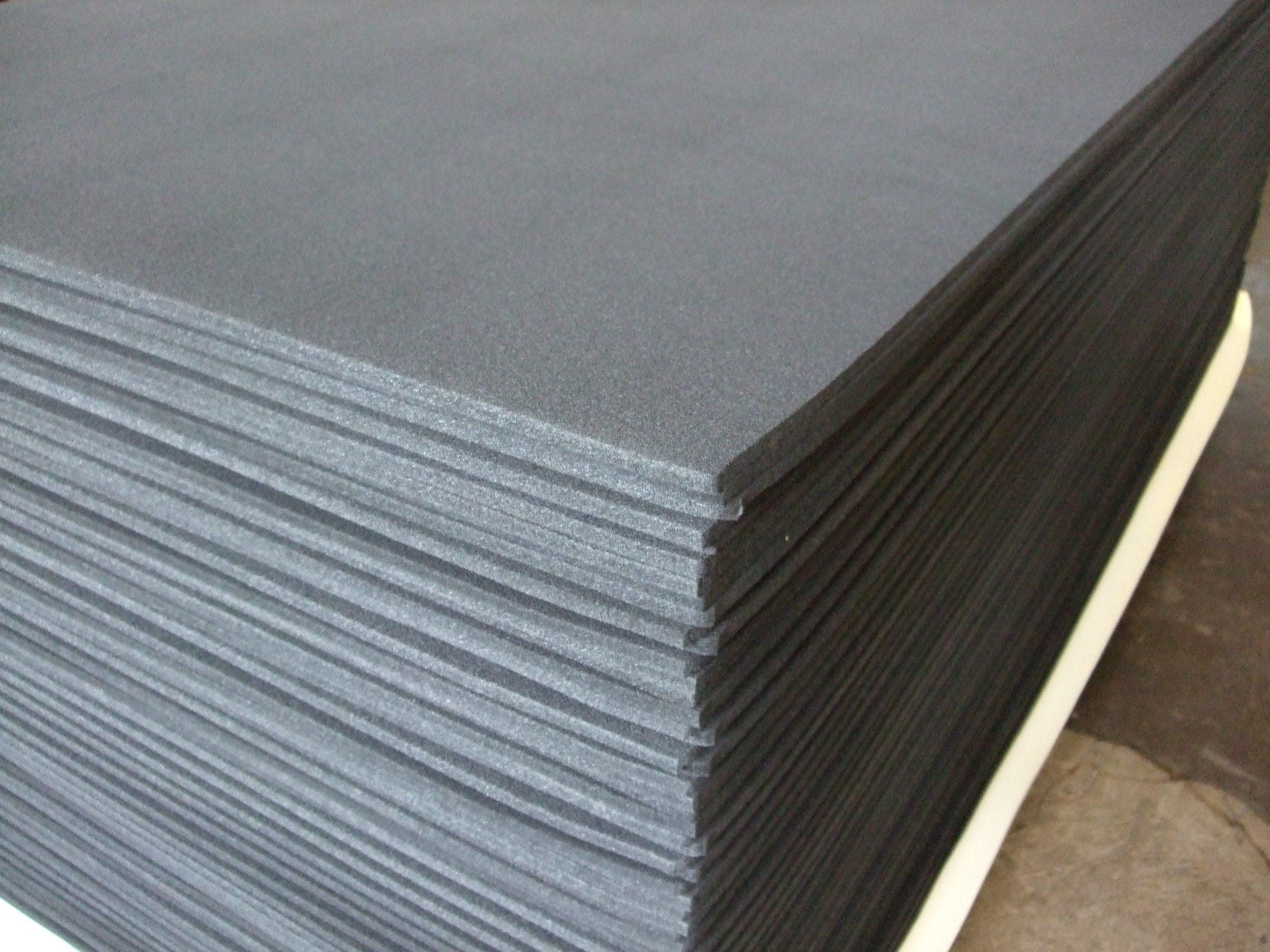
Cross-Linked Polyethylene Foam: When to Choose XLPE for Industrial Components
Choosing the right foam for an industrial component requires more than simply selecting a material by thickness or price. Structure, density, cushioning performance and the operating environment can all influence how the finished component performs. Cross-linked polyethylene foam offers a fine closed-cell structure and consistent surface, making it suitable for many fabricated components, protective packaging and industrial applications. At Rocon Foam, we help businesses select and convert polyethylene foam according to their specific application requirements.
Cross-linked polyethylene foam offers a fine closed-cell structure, consistent appearance and useful cushioning properties for fabricated components, presentation packaging and industrial protection.
What Is Cross-Linked Polyethylene Foam?
Cross-linked polyethylene, commonly referred to as XLPE foam, is a closed-cell polyethylene foam in which the polymer structure has been cross-linked. This process changes the physical characteristics of the material and can produce foam with a fine, consistent cellular structure.
XLPE is available in different densities and thicknesses, allowing the material to be selected according to the performance requirements of the finished component.
At Rocon Foam, we consider the application as a whole when helping customers choose polyethylene foam. The required cushioning, dimensions, finish, environmental conditions and manufacturing method can all influence material selection.
For businesses searching for an XLPE foam supplier in the UK, understanding these requirements before ordering can help ensure the selected material is appropriate for the application.
Performance Advantages of XLPE
The properties of cross-linked polyethylene foam make it suitable for a variety of industrial and protective applications. However, performance varies between grades, so the material should be specified against the actual requirements of the component.
Closed-Cell Structure
XLPE has a closed-cell structure, meaning the individual cells within the foam are predominantly enclosed rather than interconnected.
This structure can provide low water absorption and helps make XLPE suitable for applications where moisture resistance is an important consideration. It can also provide useful cushioning and support when correctly specified.
At Rocon Foam, we’ve seen how closed-cell polyethylene foam can provide an effective combination of protection and durability across different converted applications.
The exact performance will depend on the grade, density, thickness and service environment, so these factors should be assessed before a material is selected.
Surface Finish
One characteristic that distinguishes many XLPE foams is their fine and consistent cellular structure. This can provide a smooth, uniform appearance that is particularly useful where presentation is important.
For example, protective inserts for equipment or presentation packaging may need to provide both functional protection and a professional appearance.
This makes XLPE worth considering where the finished foam remains visible as part of the product or packaging.
At Rocon Foam, we can discuss both functional and presentation requirements when helping customers determine whether XLPE is appropriate for their project.
Impact and Cushioning Performance
Foam components are frequently used to help protect products against movement and impact. XLPE can provide useful cushioning properties, making it suitable for protective components when the correct specification and design are used.
However, cushioning performance cannot be determined by foam type alone. Product weight, fragility, foam density, thickness and the expected handling conditions should all be considered.
A lightweight component may require a different foam specification from heavy equipment, even if both use XLPE.
At Rocon Foam, we look at these factors together when discussing protective foam applications. This helps ensure that material selection is based on the actual product rather than a single foam characteristic.
Our XLPE Material Selection Guide can help identify the key factors to consider when comparing grades and specifications.
Where XLPE Foam Is Used
Cross-linked polyethylene foam can be used across a broad range of industrial applications. Its closed-cell structure, appearance and cushioning characteristics make it particularly useful for converted components and protective applications.
Protective packaging is one common use. XLPE can be converted into inserts that locate products within cases, boxes or other packaging. A correctly designed insert can help limit unwanted movement and provide cushioning around vulnerable areas.
It can also be used for presentation packaging where the appearance of the insert forms part of the overall presentation of the product.
Other fabricated applications may require foam components that provide cushioning, separation, spacing or protection between surfaces.
At Rocon Foam, we’ve worked with businesses requiring polyethylene foam components manufactured around specific dimensions and application requirements. This can range from straightforward shapes to more detailed profiles designed around individual products or assemblies.
Choosing and Converting XLPE Foam
Selecting the right XLPE grade is only part of the process. The material must also be converted into a component that fits and performs as intended.
Factors such as density, thickness, dimensions and tolerances should therefore be considered alongside the intended manufacturing process.
At Rocon Foam, we can review drawings, dimensions and application information to determine an appropriate approach to manufacturing custom polyethylene foam components.
Custom Cutting Options
Cross-linked polyethylene foam can be converted using different cutting and fabrication methods depending on the design, material specification, required tolerances and production volume.
Custom cutting allows components to be manufactured around defined shapes and dimensions. This can be particularly valuable for packaging inserts and industrial components where repeatability is important.
For more complex profiles, the manufacturing method should be considered during the design stage. A component designed without considering how it will be produced can create unnecessary manufacturing complexity.
Providing a CAD file, technical drawing or accurate dimensions can help our team assess the component and recommend an appropriate conversion method.
Production quantities are also important. The most appropriate process for a prototype or small batch may differ from the process used for larger production volumes.
At Rocon Foam, we consider material selection and manufacturing requirements together to help customers develop practical foam components.
Specifying XLPE for Your Application
Before requesting a quotation, it is useful to gather as much information about the application as possible.
This can include the required dimensions, foam thickness, density or hardness requirements, quantity and dimensional tolerances. Where the foam will protect another product, information about its weight, fragility and expected handling conditions can also be valuable.
Environmental requirements should be considered too. If the component will encounter moisture, temperature changes, chemicals or other demanding conditions, these should be discussed during material selection.
Where the exact XLPE specification has not yet been determined, a sample can help businesses compare material characteristics before moving towards production.
If you’re considering custom polyethylene foam for an industrial component or protective application, contact Rocon Foam. Our team can discuss your requirements, help identify an appropriate XLPE specification and provide a quotation for custom-cut components.
FAQs
Where can I buy cross-linked polyethylene foam in the UK?
Rocon Foam supplies polyethylene foam for industrial, protective and fabricated applications in the UK. Contact our team with your dimensions, quantity and application requirements so we can discuss suitable XLPE options and provide a quotation.
Is XLPE foam suitable for protective packaging inserts?
XLPE can be suitable for protective packaging because its closed-cell structure and cushioning properties can help locate and protect products. The appropriate grade, density, thickness and insert design should be selected according to the product and expected handling conditions.
What thicknesses and densities of XLPE foam are available?
Cross-linked polyethylene foam is available in different densities and thicknesses. The appropriate specification depends on the required cushioning, support, dimensions and application. Rocon Foam can discuss available material options once we understand your requirements.
Can XLPE foam be CNC cut or die cut?
XLPE can be converted using different manufacturing processes, including CNC and die-cutting methods where appropriate. The most suitable process depends on the material, component geometry, tolerances and required production quantity. Rocon Foam can assess your drawing and recommend a suitable conversion approach.
How do I get a quote for custom XLPE foam components?
Send Rocon Foam your drawing or required dimensions, quantity and any known material specifications. Details about the component’s application, operating environment and required performance can also help our team assess the project and prepare an appropriate quotation.