
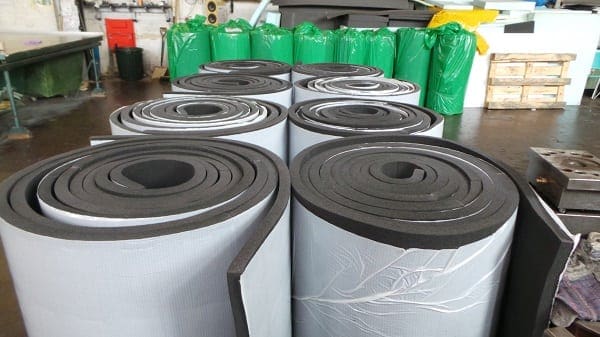
Foam Gaskets and Seals: How to Specify the Right Material for Industrial Applications
Choosing the right foam gasket or seal can make a significant difference to the performance and reliability of an industrial component. From controlling air and dust ingress to cushioning components and helping manage moisture and vibration, the correct material needs to match the demands of the application. At Rocon Foam, we work with businesses to specify and manufacture custom foam gaskets and seals for a wide range of industrial requirements.
Foam gaskets and seals perform best when material, density, thickness, compression and environmental resistance are considered together.
Why Foam Gaskets and Seals Matter
Foam gaskets and seals are used to create a controlled interface between two surfaces. Depending on the application, they can help seal gaps, limit the ingress of dust or moisture, cushion components and reduce the effects of vibration.
Unlike rigid sealing materials, foam can compress to accommodate variations between mating surfaces. However, effective sealing depends on selecting a foam with the appropriate compression and recovery characteristics.
At Rocon Foam, we’ve seen how considering the complete operating environment at the specification stage can support more reliable sealing performance. Factors such as temperature, exposure, movement and required compression should therefore be assessed before selecting a material.
For businesses looking for a custom foam gasket supplier in the UK, providing detailed application information from the outset can also make the specification and quotation process more efficient.
Choosing the Right Foam Material
There is no single foam material that is suitable for every gasket or sealing application. The correct choice depends on how and where the finished component will be used.
Materials such as EPDM and Neoprene can provide different performance characteristics depending on the application. EPDM is commonly considered where weather, UV and ozone resistance are important, while Neoprene can be suitable for applications requiring resistance to oils and certain chemicals.
Other foam materials may be more appropriate where cushioning, flexibility or different environmental properties are required. At Rocon Foam, we consider the application requirements before recommending a material rather than selecting foam based on one property alone.
Compression and Recovery
Compression is particularly important when specifying foam gaskets and seals. The material needs to compress sufficiently to accommodate the surfaces being sealed while retaining suitable recovery characteristics for the intended application.
A foam that is too firm may not conform effectively to uneven surfaces. Conversely, an unsuitable softer material may not provide the support or long-term performance required.
Compression set should also be considered where a gasket will remain under load for extended periods. At Rocon Foam, we assess factors such as material type, thickness and expected compression when helping customers specify bespoke foam seals.
Environmental Resistance
The surrounding environment can have a major influence on gasket performance. Temperature, moisture, UV exposure and contact with oils or chemicals can all affect material selection.
For outdoor applications, for example, weather and ozone resistance may be important. Industrial machinery may introduce different requirements, including exposure to oils, cleaning products or elevated temperatures.
Chemical compatibility can vary by material grade, concentration, temperature and exposure time. Therefore, the actual service conditions should be considered before a foam is specified.
Our Foam Gasket Specification Checklist can help you identify the information required before requesting a material recommendation or quotation.
Key Industrial Applications
Foam gaskets and seals are used across many industries because they can be converted into components designed around individual assemblies.
Typical applications include equipment housings, access panels, electrical enclosures, machinery, automotive components and other industrial assemblies where a compressible interface is required.
At Rocon Foam, we can manufacture custom components around the dimensions and performance requirements of a project. This allows businesses to move beyond standard strips or sheets and specify a gasket designed around the actual component.
Adhesive Backing and Tolerances
Adding a self-adhesive backing can make foam gaskets easier to locate and assemble during production. However, the adhesive needs to be suitable for the foam, substrate and operating environment.
Surface condition also matters. Contamination, temperature, surface energy, applied pressure and other factors can influence adhesive performance.
Dimensional tolerances are equally important for converted parts. A gasket must fit the intended assembly without creating unnecessary installation problems or compromising the required sealing area.
At Rocon Foam, we can review drawings and specifications to help determine an appropriate manufacturing approach for custom foam gaskets and seals.
What to Specify Before Ordering
Providing the right information at the quotation stage helps us understand both the component and its operating environment. Useful information includes dimensions or drawings, required thickness, expected compression, environmental exposure, adhesive requirements and anticipated quantities.
Where the material has not yet been selected, information about the application can be particularly valuable. Rather than specifying a foam based solely on price or familiarity, the material can then be considered against the actual performance requirements.
Production volume also influences the manufacturing process. Depending on the gasket geometry, material and quantity, different foam conversion methods may offer advantages in accuracy, repeatability and production economics.
At Rocon Foam, our aim is to help customers move from application requirements to a practical, manufacturable foam component.
If you’re currently specifying an industrial gasket or seal, download our Foam Gasket Specification Checklist or contact Rocon Foam to discuss your requirements. Our team can review your application and provide a quotation for custom foam gaskets and seals.
FAQs
Where can I buy custom foam gaskets and seals in the UK?
Rocon Foam supplies custom foam gaskets and seals for industrial applications in the UK. Components can be manufactured around specific dimensions, materials and application requirements. Contact our team with your drawing or specification to discuss a quotation.
Which foam is best for industrial gaskets and seals?
The most appropriate foam depends on the operating environment and required performance. Factors such as compression, recovery, temperature, moisture, weathering and chemical exposure should be considered before selecting a material. Rocon Foam can help assess these requirements and recommend suitable options.
Can Rocon Foam cut self-adhesive foam gaskets to a drawing?
Rocon Foam can manufacture custom foam components to specified shapes and dimensions, with self-adhesive options available for suitable applications. Providing a drawing or CAD file helps our team assess the geometry, tolerances, material and manufacturing requirements.
What information is needed to quote bespoke foam seals?
To request a quote, provide the component dimensions or drawing, required thickness, quantity and any known material or adhesive requirements. Information about temperature, compression, moisture, oils, chemicals and other service conditions can also help Rocon Foam assess the appropriate specification.
What are typical lead times for custom foam gaskets?
Lead times depend on the material, component design, quantity, manufacturing process and current production requirements. Send your specification to Rocon Foam and our team can advise on availability and expected lead time for your particular project.