
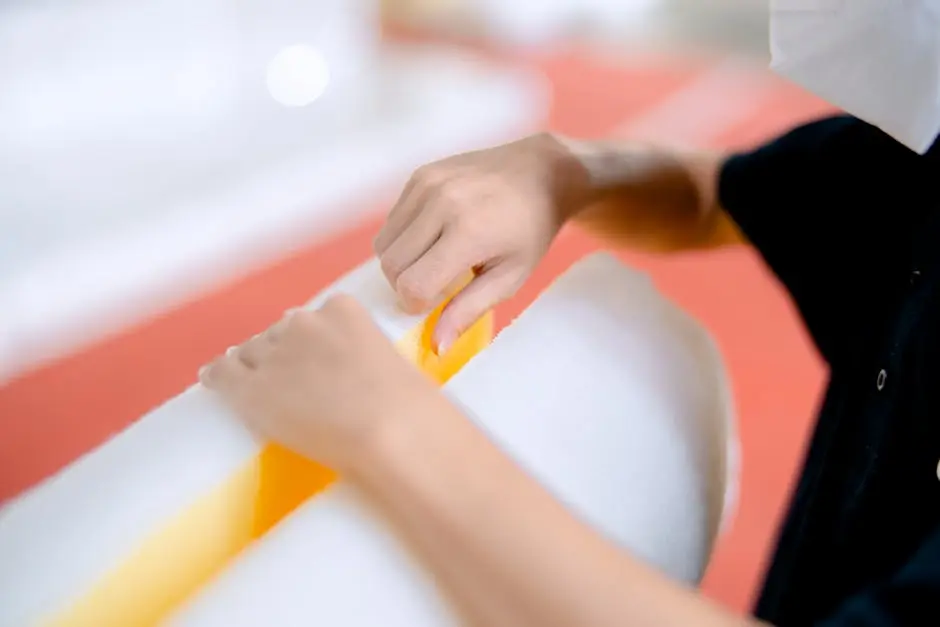
Foam Prototyping for Faster Product Development
Developing a custom foam component often involves more than choosing a material and sending it straight into production. Testing the design first can help identify issues with fit, dimensions and material performance before larger quantities are manufactured.
At Rocon Foam, we work with businesses to develop custom foam components from initial drawings and CAD information through to production.
Foam prototyping provides an opportunity to assess the component before committing to full manufacture, helping support more informed design and material decisions.
Why Prototype Foam Components?
A prototype allows a foam component to be physically assessed before production. This can be particularly valuable when developing a new product, packaging system, gasket, seal or fabricated component.
Testing can reveal whether the foam fits correctly, provides the required support and works as expected within the finished assembly.
At Rocon Foam, we consider the intended application alongside the material and component design. This helps ensure the prototype provides useful information for the next stage of development.
Material Trials
Selecting the right foam is an important part of the prototyping process.
Different materials provide different levels of cushioning, compression, resilience and environmental resistance. Density and thickness can also significantly influence how a finished component behaves.
Producing a prototype can allow different material options to be considered before a final specification is selected.
The Foam Prototyping Process
A successful prototype starts with clear information about the component and its intended use.
At Rocon Foam, we can assess CAD files, technical drawings or detailed dimensions when discussing a prototype requirement. Understanding the application can also help determine which foam and manufacturing process may be appropriate.
CAD and Drawing Review
A CAD file or technical drawing provides important information about the dimensions and geometry of the component.
Before manufacturing begins, the design can be reviewed alongside the selected material and intended production method.
This stage can highlight features that may need adjustment and helps ensure the design is practical to manufacture.
What to Test Before Production
A prototype should be used to answer practical questions about the component.
Does it fit correctly? Does it provide sufficient clearance? Is the material suitable for the application? Can the component be installed and removed as intended?
Testing these factors before production can help identify changes while the design is still being developed.
Fit and Function Testing
Fit is particularly important when foam needs to interact with another component or product.
A protective foam insert, for example, should locate the product securely without placing unnecessary pressure on vulnerable areas. A gasket or seal may require a specific level of compression to perform correctly.
At Rocon Foam, we recommend assessing the prototype under conditions that represent the intended application wherever practical.
Moving from Prototype to Volume Manufacture
Once the prototype has been assessed, any required changes can be incorporated into the design before production.
The manufacturing process should also be considered at this stage. A method that works well for a small number of prototypes may not always be the most appropriate approach for larger quantities.
Design for Manufacture
Design for manufacture means considering how a component can be produced efficiently and consistently at the required volume.
Geometry, tolerances, material thickness and production quantity can all influence the most appropriate foam conversion method.
At Rocon Foam, we consider these factors when helping businesses move from prototype components towards repeat production.
Our Foam Prototype Brief Template can help identify the information required when preparing a new foam component for quotation.
For businesses looking for a custom foam prototype supplier in the UK, involving the foam converter during product development can help align the material, design and intended production process.
If you have a new foam component in development, send Rocon Foam your CAD file, drawing or dimensions. Our team can review the requirement and discuss suitable prototype and production options.
FAQs
Where can I get custom foam prototypes made in the UK?
Rocon Foam can work with businesses developing custom foam components. Providing a CAD file, technical drawing or detailed dimensions helps our team assess the material, design and appropriate manufacturing approach.
Can Rocon Foam make a prototype from a CAD drawing?
CAD information or technical drawings can be used when assessing custom foam components. The design should also be considered alongside the foam material, tolerances and intended application.
What foam materials can be used for prototype parts?
The appropriate material depends on the application. Factors including cushioning, compression, environmental exposure, density and thickness should be considered when selecting foam for a prototype.
How many prototypes should I test before production?
There is no single quantity suitable for every project. The number required depends on the component, testing requirements and complexity of the design. The objective is to gather enough information to confirm the specification before production.
How do I move from a foam prototype to a production order?
Once the prototype has been tested, any necessary design or material changes can be incorporated. Rocon Foam can then assess the required quantity and manufacturing process before the component moves into production.